All Categories
Featured

Moving From Old Systems to AI-Ready Cloud Frameworks
Table of Contents
Company and private Usage Microsoft 365 Copilot adapters to include information. Data management, general IT, or developer skills Platform as a service is the starting point for most custom-made apps and agents. Select it when low-code SaaS development can't provide you enough modification but you still desire Microsoft to run the platform for you.
This work takes more effort than SaaS advancement however less effort than running facilities yourself. Microsoft manages the platform and you do not keep servers or train the base models.: A managed platform offers you more control than SaaS development, but it requires engineering skill that SaaS advancement alternatives do not.
Measuring the Impact of AI-Driven TransformationSee Representative lifecycle Consuming design tokens, storage, functions, compute, grounding connections Construct RAG applications Yes Select designs, orchestrating dataflow, chunking data, enhancing portions, picking indexing, comprehending inquiry types (full-text, vector, hybrid), comprehending filters and elements, carrying out reranking, prompt engineering, deploying endpoints, and consuming endpoints in apps Compute, variety of tokens in and out, AI services consumed, storage, and information transfer Fine-tune GenAI models Yes Preprocessing information, splitting information into training and validation data, verifying models, setting up other parameters, improving designs, deploying designs, and consuming endpoints in apps Compute, variety of tokens in and out, AI services taken in, storage, and information transfer Train and inference models or Yes Preprocessing data, training models by using code or automation, improving models, releasing device knowing models, and consuming endpoints in apps Calculate, storage, and information transfer Consume prebuilt AI designs and services Yes Select AI designs, securing endpoints, consuming endpoints in apps, and tweak as required Usage of model endpoints consumed, storage, data transfer, compute (if you train custom-made models) Isolate AI apps Yes Select AI designs, managing dataflow, chunking information, enriching pieces, selecting indexing, understanding question types (full-text, vector, hybrid), understanding filters and facets, carrying out reranking, prompt engineering, releasing endpoints, and consuming endpoints in apps; optional environment/VNet setup for network isolation (regional availability and function status may vary) Compute, variety of tokens in and out, AI services consumed, storage, and data transfer See the private rates pages for items listed under AI + device knowing and the Azure prices calculator to produce expense estimates. It typically takes the longest to build and requires the most effort to maintain gradually. Choose this alternative when you should bring your own designs, utilize customized runtimes, or satisfy efficiency and compliance needs that handled platforms can't.: Infrastructure uses the most control, but it carries the most functional ownership.
Emerging Enterprise Trends in Modern Convergence
Use the Azure rates calculator for quotes. Whatever design and budget plan you pick in the steps above, accountable use is a condition of running AI in production at scale. Your organization requires to set the standards that keep AI reasonable and liable for every single team. The models you picked determine where these standards apply, however the standards themselves stay constant across the company.
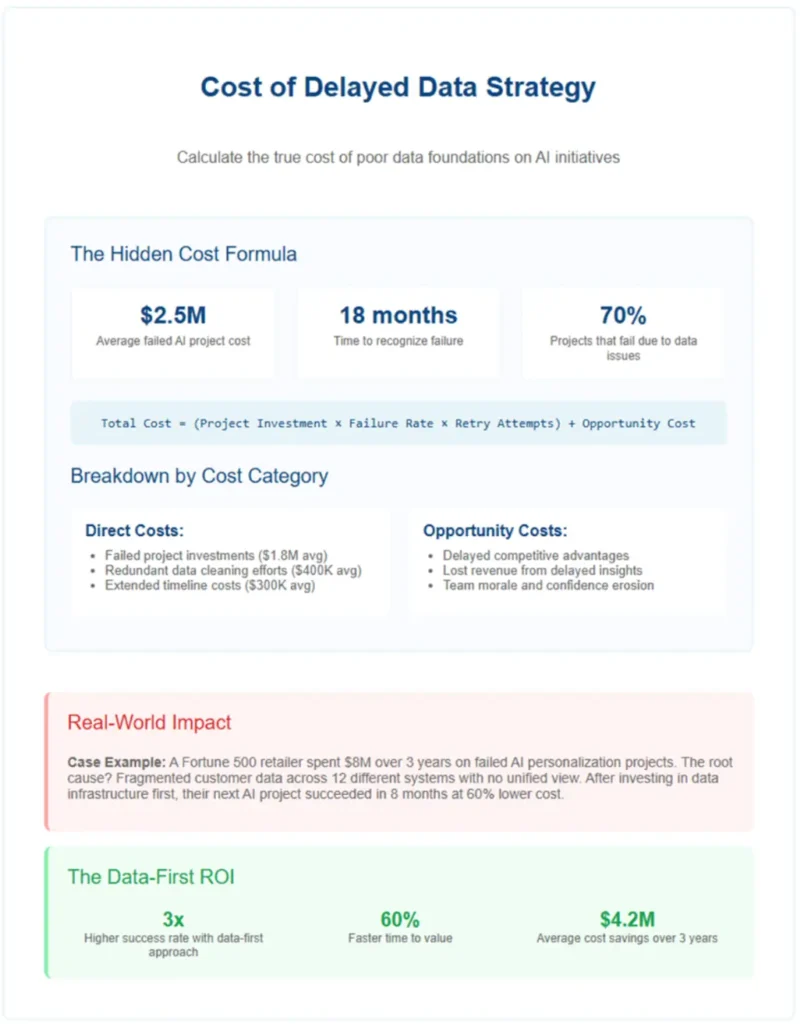
A responsible AI requirement is only as strong as the information behind it, so your information strategy comes next. Your information method identifies whether your concern use cases have governed and high-quality information to work with.
Focus on governance standards and lifecycle management rather than per-workload design. See the CAF guidance to produce a Information method for AI and analytics. With the technique set, relocation to preparation and readiness. The AI adoption guidance offers start-up and enterprise lists that bring each choice above into production with governance and security constructed in.
The Complete AI Adoption Roadmap for Modern Organizations A lot of companies do not stop working at AI since of technology They stop working due to the fact that they don't know the sequence of adopting it. AI Strategy Develop the structure: specify the AI vision, analyze market trends, and produce a tactical direction.
2. AI Worth Start small with high-value usage cases and pilots. With time, scale into a complete AI portfolio, carry out FinOps practices, and launch production-ready AI items that deliver quantifiable ROI. 3. AI Company Produce structure for AI success-teams, leadership, and operating models. Fully grown organizations add centers of excellence, AI comms practice, and collaborations that speed up enterprise adoption.
Charting an AI-Cloud Roadmap for 2026
AI People & Culture Prepare your workforce for the AI age. AI Governance Start with risks, ethics, and fundamental policies.

Latest Posts
Key Insights for Navigating the Future of Tech
How AI and Cloud Integration Is Essential
Why Deep Integration Is Crucial for 2026